THE ESTATE
Cottesbrooke is a traditional landed estate with a residential and commercial property portfolio, woodland and an agricultural business.
Agriculture
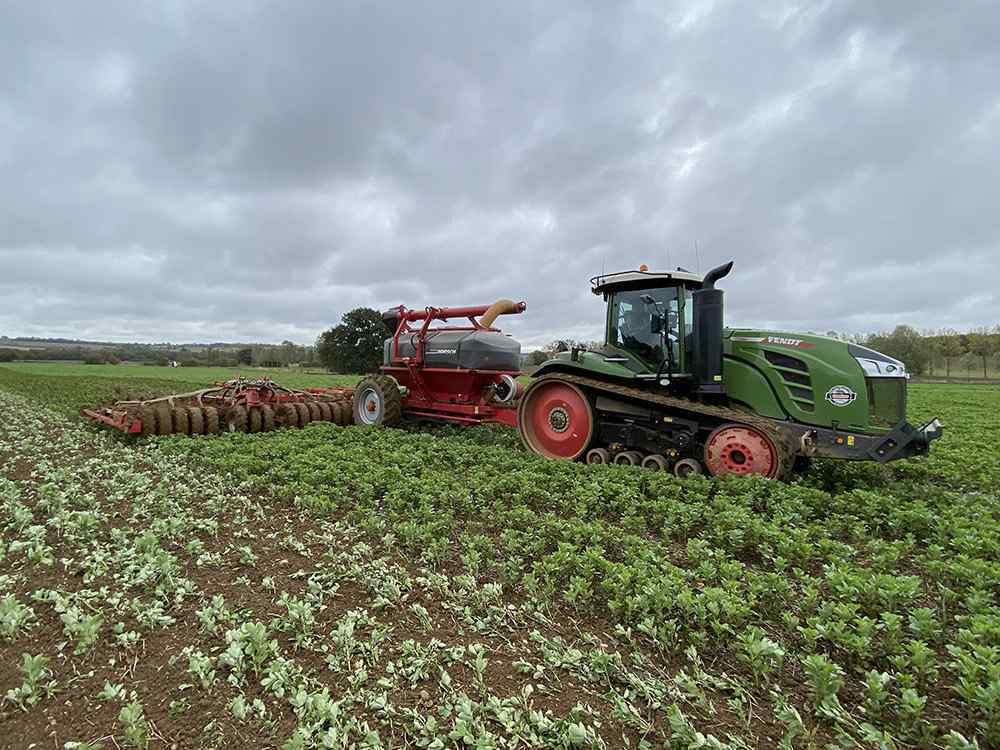
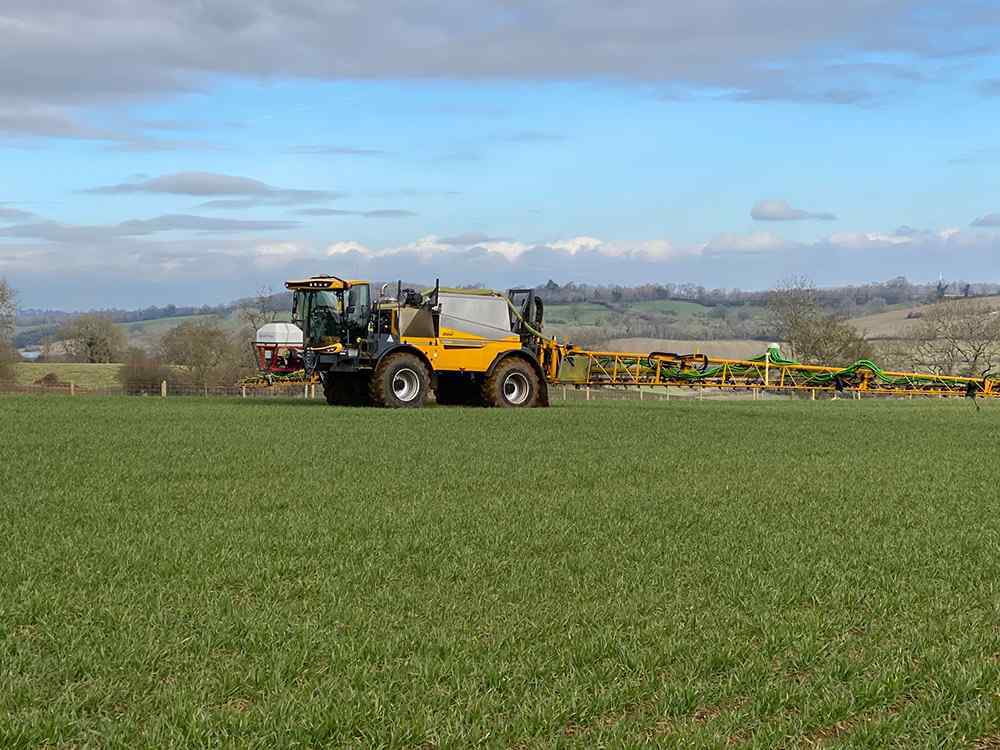
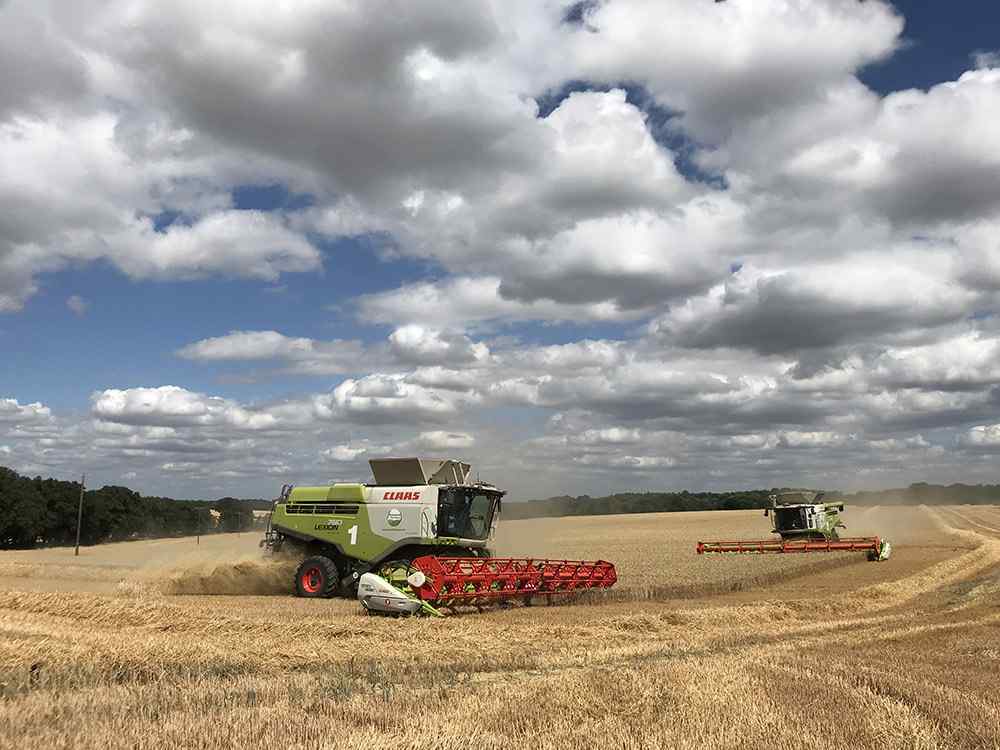
The arable land is farmed by Brixworth Farming Company Limited, a company set up by four local farming businesses to supply the labour, machinery and crop marketing solutions for the shareholder businesses and third party contracting clients.
Brixworth Farming believes in the long term stewardship of the land, using responsible farming methods to increase sustainability and protect the wider environment. A core aim of Brixworth Farming is to maintain, and where possible, improve soil organic matter through cover cropping and applications of organic manures or composts.
Cropping consists principally of cereals with break crops of beans and canary seed (for bird seed).
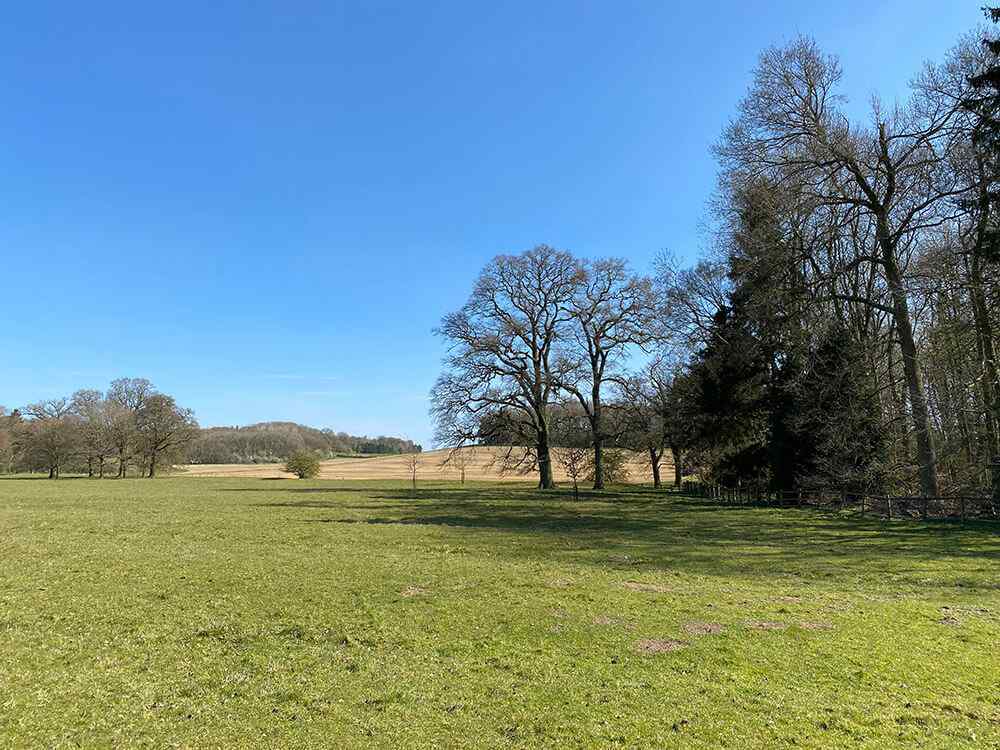
In addition, the Estate runs a flock of its own ewes over its grassland, much of which is historic ridge and furrow. Graziers bring in cattle and sheep in the spring/summer months between April and October.
Part of the arable acreage is dedicated to the provision of important habitat for wildlife through the Countryside Stewardship Scheme, in particular the Higher Tier management scheme which is tailored to the complex needs of the Cottesbrooke Estate.
Woodland
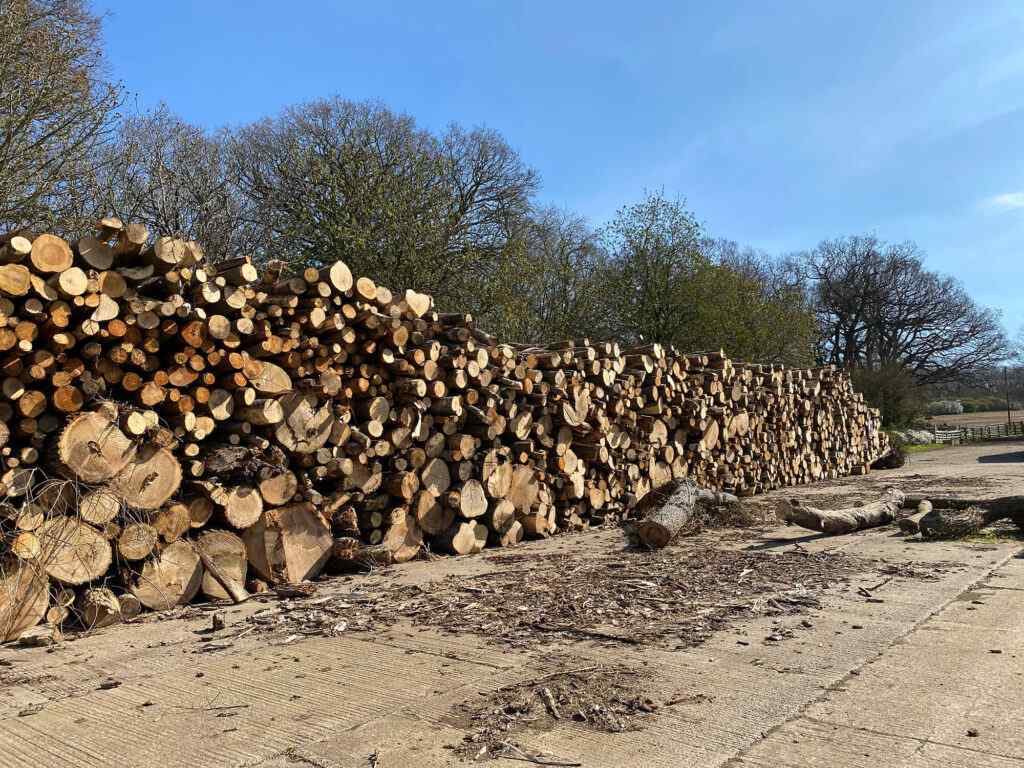
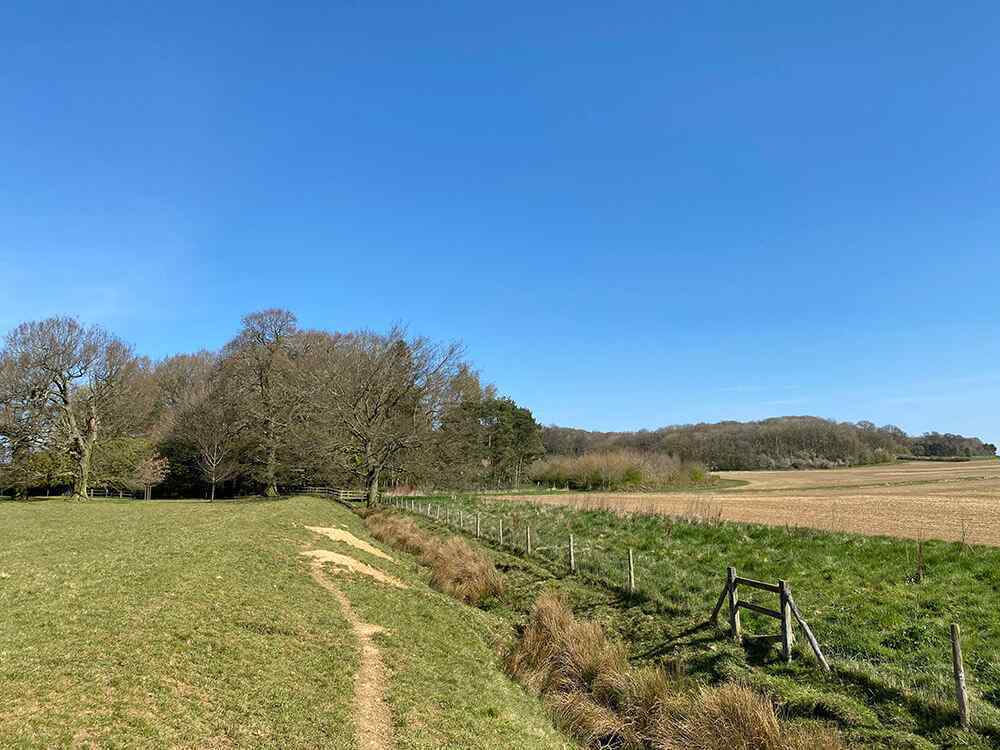
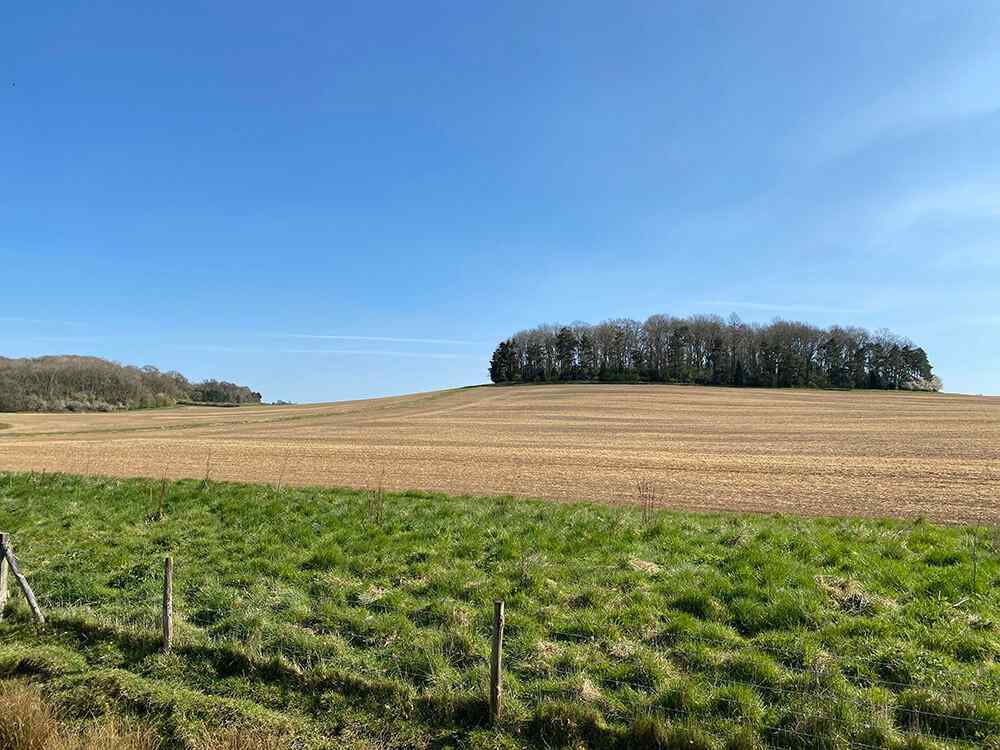
The woodland at Cottesbrooke supplies the needs of the biomass boiler on a self sustaining basis. The woods are mixed broadleaves, with much native oak and ash (see below), and are small in size as is typical of the local landscape. More than 20ha of new woodland has been planted in the last 10 years alone – nearly 36,000 trees.
At Cottesbrooke, there is a patchwork of over 87 separate small woods linked by hedgerows providing important wildlife corridors and sanctuaries. They cover over 9% of the estate which is well above the average 5% in Northamptonshire. In addition to timber production, the woods are managed for woodland birds such as the nationally rare willow tit and for fuel for the biomass boiler which heats the Hall and other Estate properties. The dominant tree species are native Oak and Ash but, in recent years, Ash Dieback (Chalara) is killing many of the Ash trees, both young and old. This needs managing carefully to provide a sustainable future for the woodland. A programme of felling and restocking the woods with native and resilient broadleaves is underway.
Tree planting happens every year in the winter months and the cycle of tree planting is continuous.
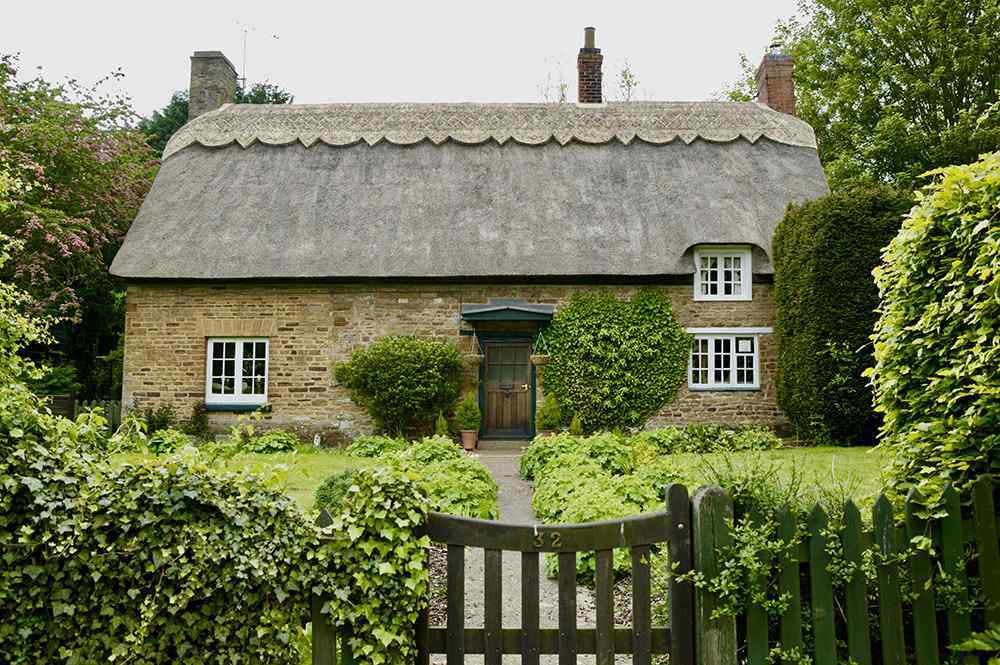
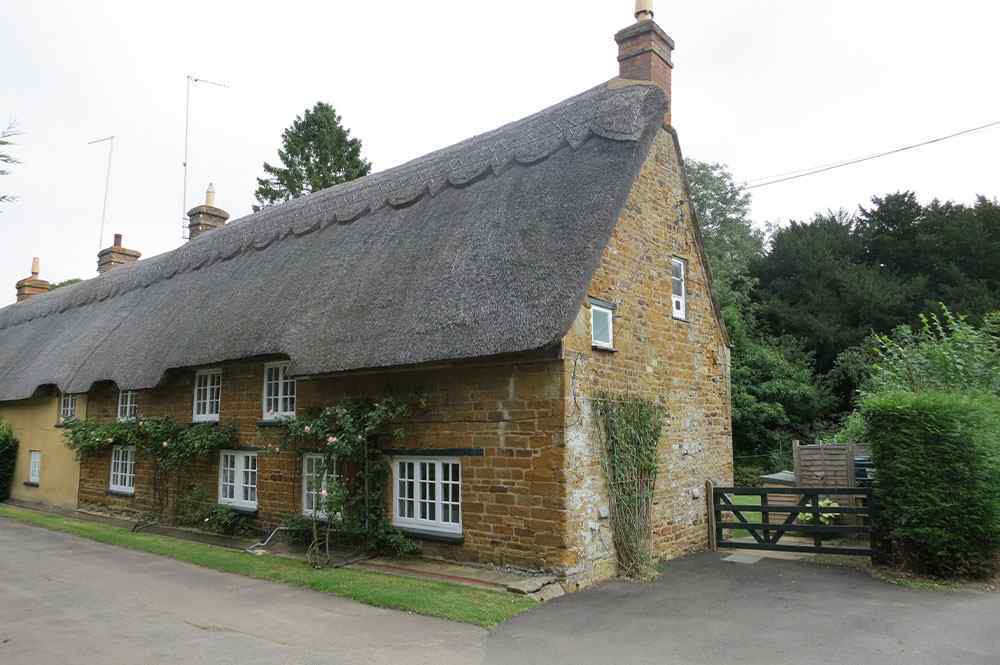
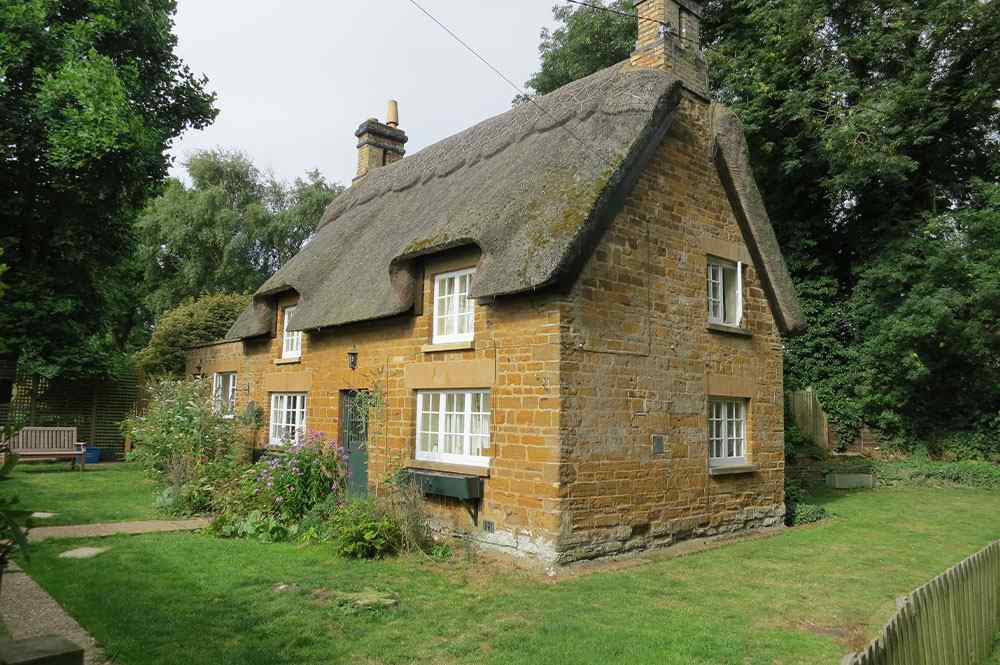
Residential & Commercial Property
The Estate has a variety of property to let, both residential and commercial, which become available from time to time. If you are interested in renting a property, please either email the Estate Office on office@cottesbrooke.co.uk or call on 01604 505717.
Sporting
Cottesbrooke has a renowned pheasant shoot. It is a member of the British Game Alliance (BGA) – a quality assurance scheme for the game sector. Days are occasionally available to let and enquiries should be through the Estate Office on office@cottesbrooke.co.uk or call 01604 505717.
The Environment and Sustainability
Agriculture is changing. Cottesbrooke is changing. The recent model of striving to maximise yield, which has been driven by government subsidy and improved technology for decades, is becoming unsustainable. Trying to produce arable crops on sub-optimal land is a risky business. Cottesbrooke is looking for a better way forward. Buzzwords abound – natural capital; carbon sequestration; regenerative agriculture; soil erosion; water quality; biodiversity; habitat creation; soil protection.
Cottesbrooke has always been a ‘traditional mixed farm’ with arable, dairy, beef cattle, sheep and woodland. The next chapter in its history will be to look differently at how it can use its ‘factory floor’ to help the soil, water, environment and biodiversity.
Although it has been implementing this approach for some time, it is looking to expand it significantly, with the help of Natural England under a Higher Tier stewardship scheme, by creating a variety of habitats spread across the farm. These will include a ‘wetland’ – a habitat type in short supply, but valuable for all sorts of wildlife including invertebrates, amphibians, reptiles, small mammals as well as wintering and wading birds. In addition, the wetland stores water and accumulates carbon in the soil.
Amongst a network of circa 120km of hedgerows (trimmed on a 3 year rotation to help the setting of berries for pollination and food for birds in the lean winter months) and headlands, there will be pollen and nectar plots for butterflies, bees, and other pollinators; plots for winter feeding of farmland birds; plots of wild flowers, providing important habitat for invertebrates including bees, and foraging sites for farmland birds. Hedgerows are managed by mechanical trimming but also by laying and coppicing when they have become overgrown and unruly. At the core of the estate is a well preserved contiguous block of ridge and furrow grassland (106ha), much of which forms part of the parkland. The parkland will be extended and will be planted with specimen trees picking up themes from old 18th Century maps and the original series ordnance survey.
Importance will also be given to carbon sequestration and soil quality. Organic matter in soils across the country has been declining due to agricultural practices and this trend needs to be reversed. The estate will use legume fallow to help improve soil organic matter, as well as to help control blackgrass and provide food for farmland birds. In addition, extensive use of cover crops will help reduce nitrate leaching on land that would normally be left bare or down to stubbles during the winter months, as well as helping soil quality.
Across the Estate there are many in-field ponds which will be managed for water quality, as well as flora and fauna of nature conservation importance.
Renewables
In March 2016 the Estate installed a biomass boiler to heat The Hall and other Estate properties.
As the planning of this project evolved, it was apparent that the Estate woodland could only provide enough timber to heat The Hall and four other estate properties and be completely self-sustaining. The carbon footprint of the Estate is significantly improved as a consequence.
Similarly, the Estate deploys solar panels on agricultural buildings to offset its carbon footprint.